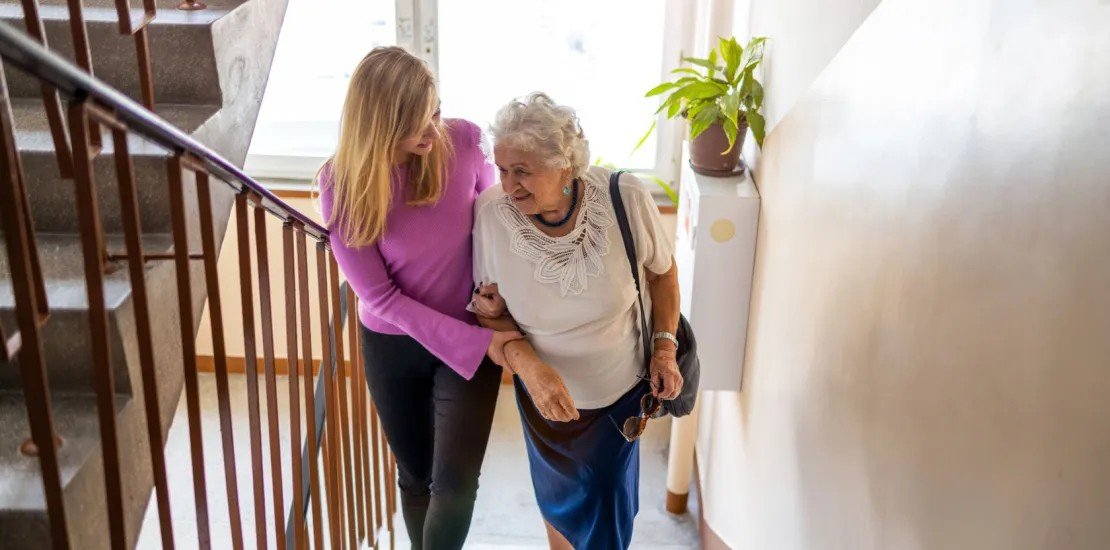
Senior Companionship Services in Nova Scotia: Enhancing Quality of Life at Home
As we watch our parents age, a quiet worry can begin to take root. It isn’t always about a sudden health crisis, but rather the subtle changes: the house that feels a little too quiet, the hesitation before running an errand, or the longing for a simple, shared conversation. For families across Nova Scotia, this concern is deeply familiar. You want to be there for every moment, but life’s demands can make that impossible, leading to feelings of guilt and stress.
This is where senior companionship services offer more than just a helping hand—they provide a source of connection, joy, and reassurance. True companionship is not about simply filling time; it is a dedicated partnership that honours a senior’s lifelong routine and personality. It transforms daily life from a series of tasks into a collection of meaningful moments, fostering independence and bringing invaluable peace of mind to the entire family.
Table of Contents
What are Senior Companionship Services in Nova Scotia?
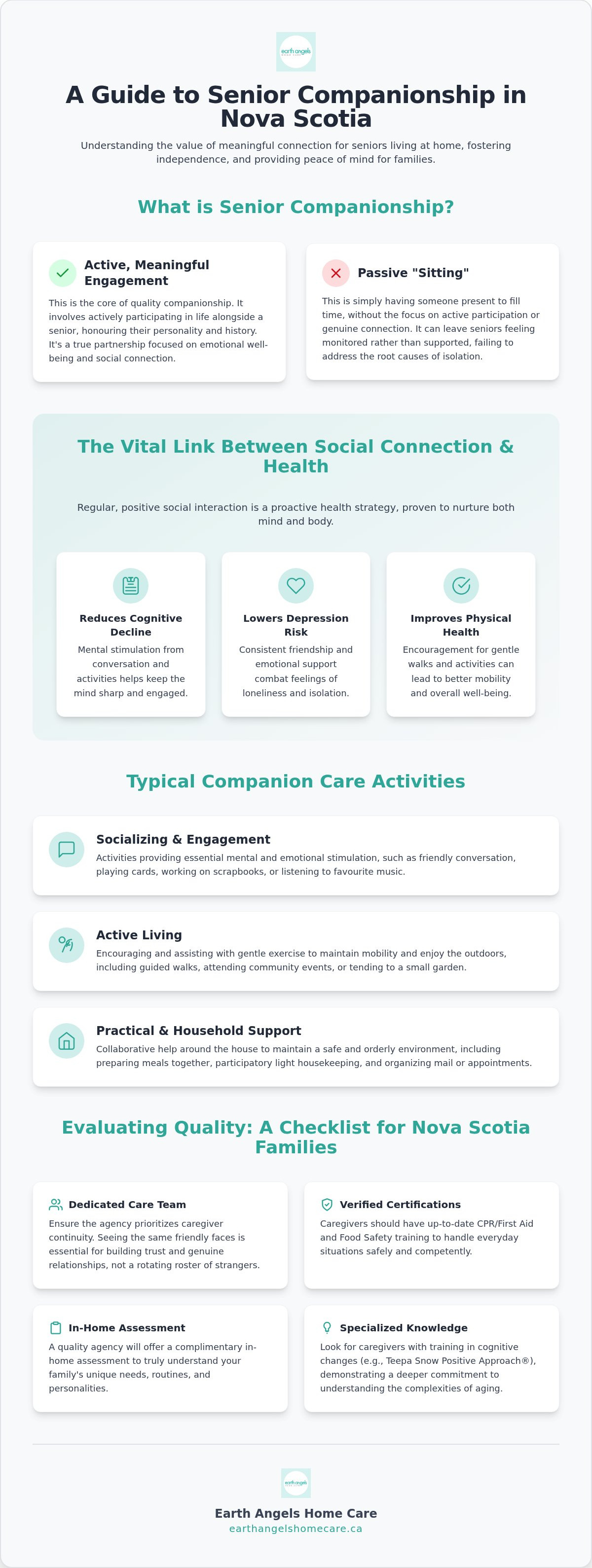
At its heart, senior companionship is a form of non-medical home care focused on emotional well-being and social engagement. It is designed to combat the profound effects of social isolation, a growing concern for seniors throughout Nova Scotia’s communities. A professional companion provides friendship, mental stimulation, and practical support, helping your loved one continue to live a full and vibrant life in the comfort of their own home.
It’s crucial to distinguish between passive “sitting” and the active, meaningful engagement that defines quality companionship. While one simply ensures someone is present, the other involves actively participating in life alongside your parent. This could mean rediscovering a forgotten hobby, enjoying a walk through a local park, or simply sharing stories over a cup of tea. This consistent social connection is a cornerstone of aging in place, allowing seniors to maintain their independence and dignity.
The Vital Link Between Social Connection and Health
The benefits of companionship extend far beyond lifting spirits. A growing body of research shows that regular, positive social interaction is a powerful tool for protecting a senior’s health. It can significantly reduce the risk of cognitive decline, lower the chances of depression, and even improve physical health outcomes. Our philosophy centres on “meaningful engagement,” which means we tailor activities to align with a senior’s unique history, interests, and passions, whether it’s a past career in teaching, a love for gardening, or a lifelong passion for music.
In this way, professional companionship becomes a proactive health strategy, nurturing both mind and body for seniors across Nova Scotia.
Typical Activities Included in Companion Care
Companion care is flexible and built around the individual, but activities often fall into three main categories:
Socializing and Engagement: From friendly conversation and playing cards to working on a scrapbook or listening to favourite music, these activities provide essential mental and emotional stimulation.
Active Living: A companion can encourage and assist with gentle exercise, such as guided walks in the neighbourhood, attending a local community event, or tending to a small garden.
Practical and Household Support: This includes collaborative meal preparation, light housekeeping that encourages participation, and organizing mail or appointments, all of which help maintain a safe and orderly home environment.
Evaluating Quality: What to Look for in Nova Scotia Companion Care
Choosing a companion for your loved one is a decision built on trust. As you explore your options, it’s important to look beyond basic services and evaluate the quality and philosophy of the care provider. Here are key factors to consider to ensure you find a reliable and compassionate partner for your family.
Prioritize Caregiver Continuity: Ask about the agency’s model for assigning caregivers. A rotating roster of strangers can be unsettling. A dedicated care team, where your parent sees the same familiar and friendly faces, is essential for building trust and a genuine relationship.
Verify Certifications and Training: Professional caregivers should have up-to-date certifications, including CPR/First Aid and Food Safety for Homecare. This ensures they are prepared to handle everyday situations safely and competently.
Assess the Intake Process: A quality agency will not offer a one-size-fits-all solution. Look for one that offers a Complimentary In-Home Assessment to truly understand your family’s needs, routines, and personalities.
Look for Specialized Knowledge: Even if your parent does not have a dementia diagnosis, it is wise to choose an agency whose caregivers have specialized training in cognitive changes. This demonstrates a deeper commitment to understanding the complexities of aging.
The Importance of a Dedicated Care Team
A consistent caregiver who knows the “little things”, like how your mother takes her tea or that your father enjoys the morning paper before breakfast, makes all the difference. Our Dedicated Care Team model is designed to foster this exact connection. We carefully match caregivers to clients based on personality, interests, and experience. This consistency is the foundation upon which true trust is built, transforming care from a service into a meaningful relationship.
To learn more about our approach, you can explore our Home Care Services page.
Questions to Ask During a Consultation
To help you make an informed decision, come to your consultation prepared with specific questions:
How do you match caregivers with clients to ensure a good personality fit?
What is your protocol if a scheduled caregiver is sick or unavailable? How do you ensure my parent is never left alone?
What specific training, such as the Teepa Snow Positive Approach®, do your companions receive to support clients with memory changes?
Can the schedule be adjusted if our family’s needs change over time?
Companionship vs. Personal Care: Finding the Right Support
As you begin your search, you may encounter two common terms: companionship and personal care. While they often work together, they serve distinct purposes. Understanding the difference is key to creating a care plan that meets your loved one’s current needs while being flexible enough to adapt for the future.
In simple terms, companionship is primarily “hands-off” support focused on social, emotional, and practical needs. Personal care is “hands-on,” providing direct physical assistance with Activities of Daily Living (ADLs) like bathing, dressing, and mobility. At
Earth Angels, we recognize that a person’s needs exist on a spectrum. Our services are designed to blend seamlessly, often starting with companionship and evolving to include personal care as required, all outlined in a Personalized Care Plan.
When Companionship is Enough
Companionship is often the perfect first step for families noticing early signs of struggle or isolation. It may be the right fit if your loved one:
Is still mobile and largely independent but expresses feelings of loneliness.
Sometimes forgets to eat regular, balanced meals.
Is finding it harder to keep the house tidy and organized.
Has stopped participating in hobbies or social activities they once enjoyed.
In these situations, a companion can restore joy, routine, and safety without infringing on your parent’s sense of independence, truly honouring our “Your Life, Your Routine” philosophy.
When to Add Personal Care Services
The need for more hands-on support often becomes clear when physical challenges arise. It may be time to integrate personal care when your loved one:
Has difficulty with personal hygiene, such as bathing, grooming, or dressing.
Needs assistance with mobility, like getting in and out of a chair or bed.
Requires more than just reminders for medication and needs help with managing their medication schedule.
A key benefit of our model is that a trusted companion can often transition to providing personal care. This continuity preserves the established relationship, making the acceptance of more intimate support a much smoother and more dignified experience. You can see a full breakdown on our Our Services page.
Integrating Companionship into Your Nova Scotia Routine
Bringing a companion into your loved one’s life should feel like a natural extension of their existing routine. The goal is to enhance their days, not disrupt them. By thoughtfully integrating companionship, you can fill the gaps where they feel most isolated and transform mundane tasks into opportunities for connection.
Identify the Quiet Hours: Start by noticing the parts of the day when your parent is most alone or seems to have the lowest mood. This is often in the late afternoon or during meal times.
Map Out Local Errands: A companion can make routine errands like grocery shopping or pharmacy runs safer and more enjoyable. What was once a chore becomes a shared outing.
Schedule Meaningful Outings: Think about what your parent loves about their Nova Scotian community. A companion can facilitate visits to a favourite local café, a walk along a nearby trail, or attendance at a community centre event.
Leverage Transportation Support: Safe, reliable transportation is a major concern for many families. A companion can provide chauffeured rides to appointments, ensuring your loved one gets there safely and has a friendly face for support.
Transportation and Errands in Your Community
Our transportation and errand services are about more than just getting from point A to point B. A companion transforms a trip to the doctor or the grocery store into a social event. Our caregivers provide chauffeured rides in clean, reliable vehicles, offering a steady arm and friendly conversation along the way. Our grocery services can include everything from planning healthy meals together to shopping for ingredients and preparing the food back at home, fostering both nutrition and engagement.
Bridging the Gap with Family Caregivers
Companionship services are a vital support system for family caregivers, too. By entrusting your loved one’s well-being to a professional, you are giving yourself permission to rest and recharge. This service often acts as a form of Respite Care, preventing burnout and allowing you to focus on simply enjoying your time with your parent. We establish a clear communication loop between the companion and your family, ensuring you are always informed and connected. Having served families across Nova Scotia for over 20 years, we understand the importance of supporting the entire family unit.
Why Nova Scotia Families Choose Earth Angels Home Care
For over two decades, Earth Angels Home Care has been a trusted partner for families across Nova Scotia. Our reputation is built on a foundation of compassion, expertise, and an unwavering commitment to personalized care. We understand that you are not just looking for a service; you are looking for a team that will care for your loved one with the same dignity and respect you would.
20+ Years of Local Expertise: We are deeply rooted in Nova Scotia’s communities. We understand the unique needs of our neighbours and have a long history of providing exceptional care.
The Teepa Snow Positive Approach®: Our caregivers receive specialized training in the Teepa Snow Positive Approach®, a compassionate and effective method for supporting individuals with cognitive changes. This goes far beyond basic companionship.
Dedicated Care Teams: We believe in the power of relationships. Our model ensures your loved one sees a familiar, friendly face every visit, fostering trust and genuine connection.
Flexible, Tailored Scheduling: Your family’s routine comes first. We build our schedules around your life, not the other way around, providing support exactly when and how you need it.
Specialized Dementia and Memory Support
For families navigating the challenges of memory loss, our specialized dementia care provides an enhanced level of companionship. Our caregivers are certified in Alzheimer’s and Dementia Care and use Positive Approach® to Care techniques to reduce anxiety, manage challenging behaviours, and foster moments of connection. This specialized knowledge allows us to create a safe, supportive, and engaging environment, even as needs evolve. Our mission is to provide “The Comfort of Care, Right Where You Are,” and this is especially true for our clients living with dementia. You can learn more about our philosophy on our Dementia Care page.
Start with a Complimentary In-Home Assessment
Your journey with us begins with a conversation. We offer a Complimentary In-Home Assessment where we take the time to listen to your story, understand your concerns, and learn about your loved one’s unique personality and preferences. This no-obligation meeting is our opportunity to answer your questions and collaboratively design a care plan that feels right for your family. It is the first step toward finding not just a caregiver, but a true companion for your parent.
Book your free assessment today and discover the peace of mind that comes from knowing your loved one is in compassionate, capable hands.