Embracing Safety: Fall Prevention Month for Seniors
Updated: Dec 2, 2025
November is recognized as Fall Prevention Month in Canada. Falls are one of the leading causes of hospitalizations in older adults. It is essential to acknowledge the dangers of falling, especially during the colder months. Seniors face a higher risk of falling due to mobility or vision issues, as well as a decrease in strength with age. However, with extra precautions, seniors can still enjoy getting out in winter and spending time with family. Here are some tips to decrease the risk of falling, allowing your loved one to live their highest quality of life.
Move Your Body
Frequent movement and strength training are vital for seniors to ensure good balance and mobility.
Balance Training: Dedicated balance exercises improve stability and coordination. Simple activities like standing on one leg or practicing tai chi can make a difference.
Strength Training: Focus on exercises that strengthen your muscles. Light weight lifting or walking can support leg muscles and improve overall strength.
Flexibility: Gentle stretching keeps joints mobile. Incorporate stretches into daily routines to maintain flexibility.
Ensure Proper Footwear
Inadequate footwear can significantly increase the risk of falling. Shoes that are too big, unstable, or lack slip resistance can be dangerous. Invest in proper footwear for the season, such as a sturdy pair of boots. Well-fitted shoes provide support and help maintain balance.
Eliminate Household Hazards
Most falls happen at home. Therefore, it is crucial to remove safety risks. Loose cords, rugs, and clutter can create obstacles. Consider adding grab bars in necessary areas, such as near staircases, showers, or toilets. Keeping pathways clear and well-lit can also help prevent accidents.
Move Slow and Controlled
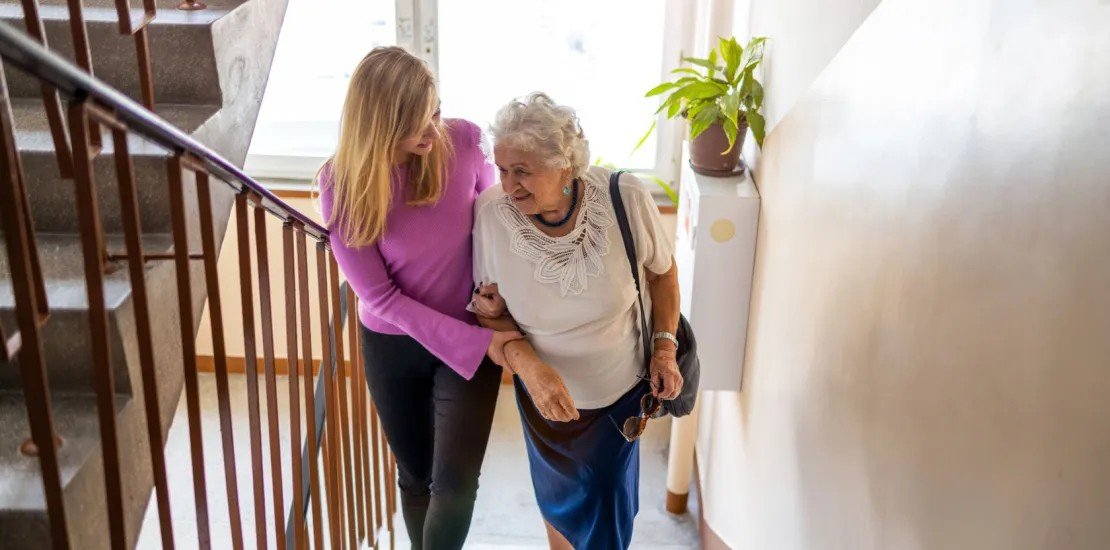
Encourage yourself or your loved one to take extra time when moving. Rushing can lead to missteps. Make sure to take your time going down stairs, downhill, or walking over any raised surfaces. It is perfectly fine to be cautious. If you feel nervous, don’t hesitate to ask for help!
Stay Connected
Staying socially connected can help boost confidence and emotional well-being. Regular visits from family and friends can provide support and encouragement. Consider joining community groups or activities that promote social interaction. Engaging with others can uplift spirits and foster a sense of belonging.
Nutrition Matters
A balanced diet plays a crucial role in maintaining strength and balance. Ensure that your loved one consumes enough calcium and vitamin D for bone health. Incorporate fruits, vegetables, and whole grains into meals. Staying hydrated is also essential, especially in winter when the air is dry.
Regular Check-Ups
Regular health check-ups are vital for seniors. Schedule visits to the doctor to monitor overall health and address any concerns. Discuss any medications that may affect balance or coordination. A healthcare professional can provide personalized advice on maintaining safety at home.
Embrace Technology
Consider using technology to enhance safety. Devices like medical alert systems can provide peace of mind. Smart home technology can also help monitor movement and alert family members if there are any concerns. Embracing these tools can empower seniors to live independently while ensuring their safety.
This Fall Prevention Month, focus on proactive steps. By learning how to move confidently and securely, you can help yourself and your loved ones maintain independence for a safer, healthier winter season. Remember, taking small steps can lead to significant changes. Together, we can create a safe environment for our loved ones to thrive.